October 16, 2026
A security fence should suit the way a property is used, rather than simply look imposing. A homeowner protecting a backyard may have different priorities from a business owner managing access to equipment or outdoor storage. The right discussion begins with those differences and considers how the barrier, entrances, and surrounding space will work together.
Meeting with a fence builder gives property owners an opportunity to connect their security concerns with practical design choices. Materials, height, gate operation, and placement each affect the finished installation, but none should be selected in isolation. These five questions help turn general security concerns into a clearer plan for the proposed installation.
1. Which Materials and Design Fit My Security Goals?
Before comparing fence styles, it helps to describe what the property needs to protect and where unwanted access is a concern. A residential yard may need a defined boundary with a controlled entrance, while a commercial property may require a barrier around a particular outdoor area. Privacy may be important in one setting, while visibility across the fence matters more in another. Explaining those priorities gives the material discussion a purpose beyond choosing an attractive appearance.
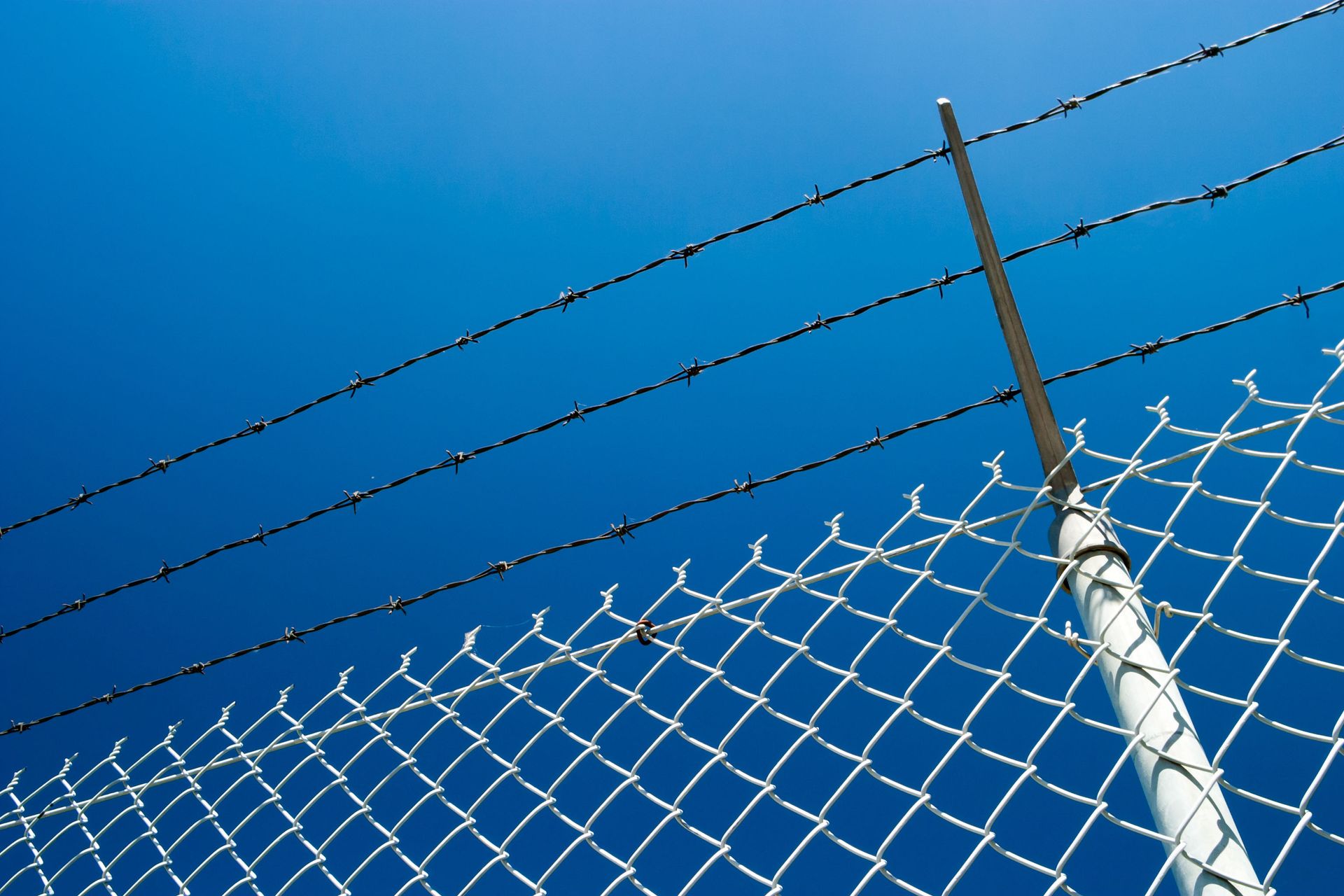
Security fencing options can include chain link, wrought iron, security mesh, and privacy designs, with different relationships between visibility and enclosure. The material recommendation from a fence builder should relate to the property's intended use, with an explanation of how the design supports that purpose. An open design can preserve views across a boundary, while a privacy fence changes how much of the enclosed space can be seen. The useful comparison is how each choice fits the owner's actual goals and the conditions around the proposed fence line.
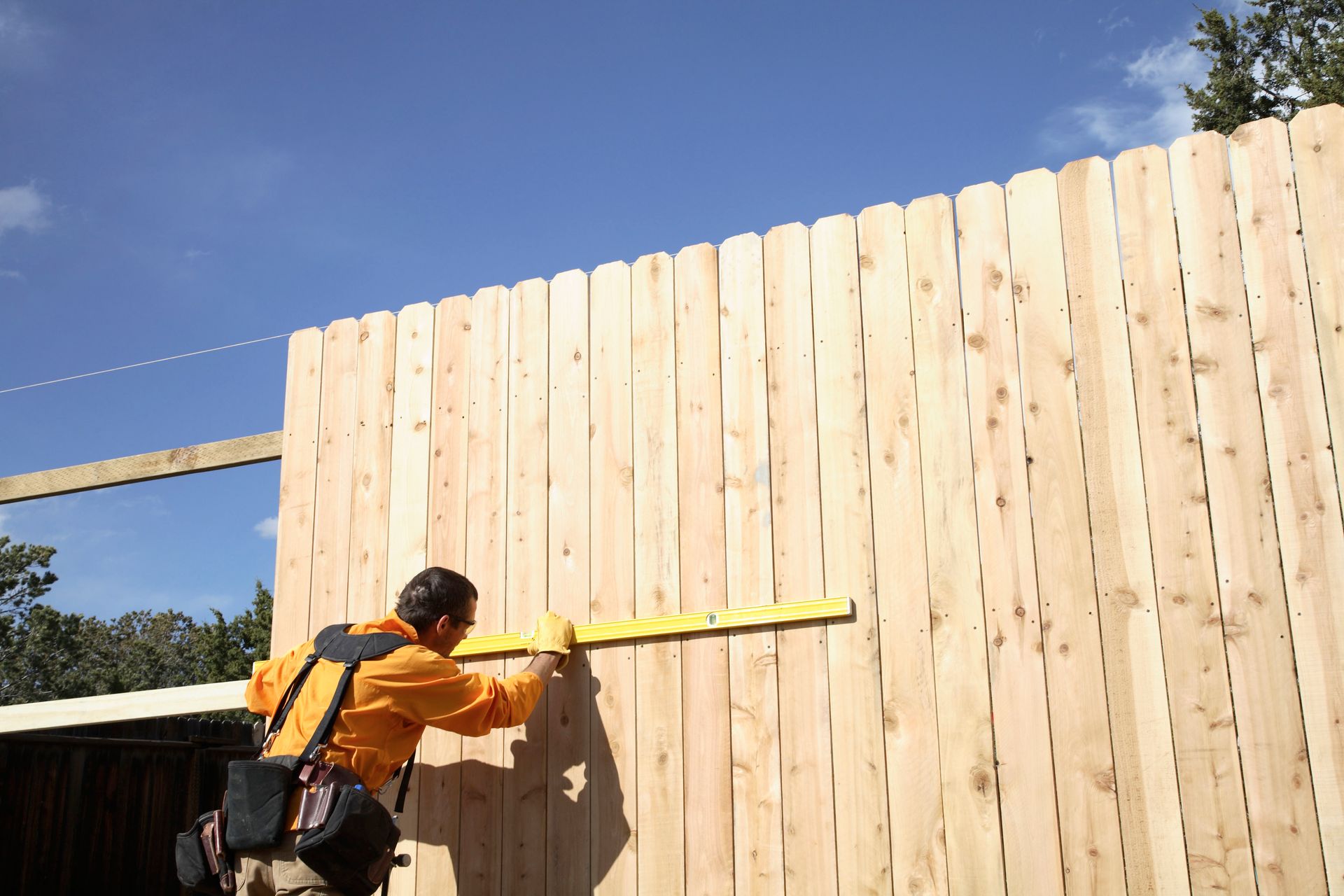
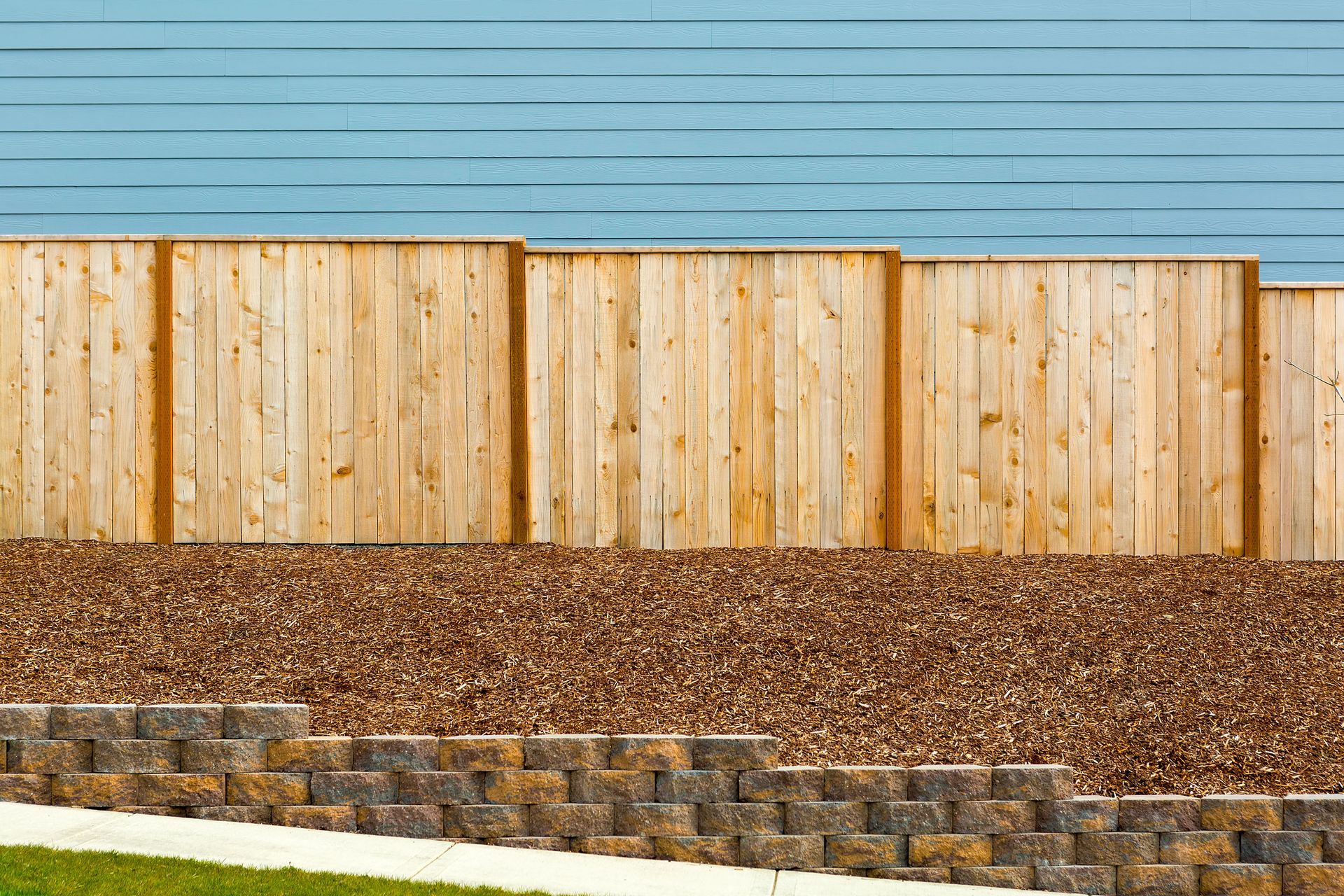
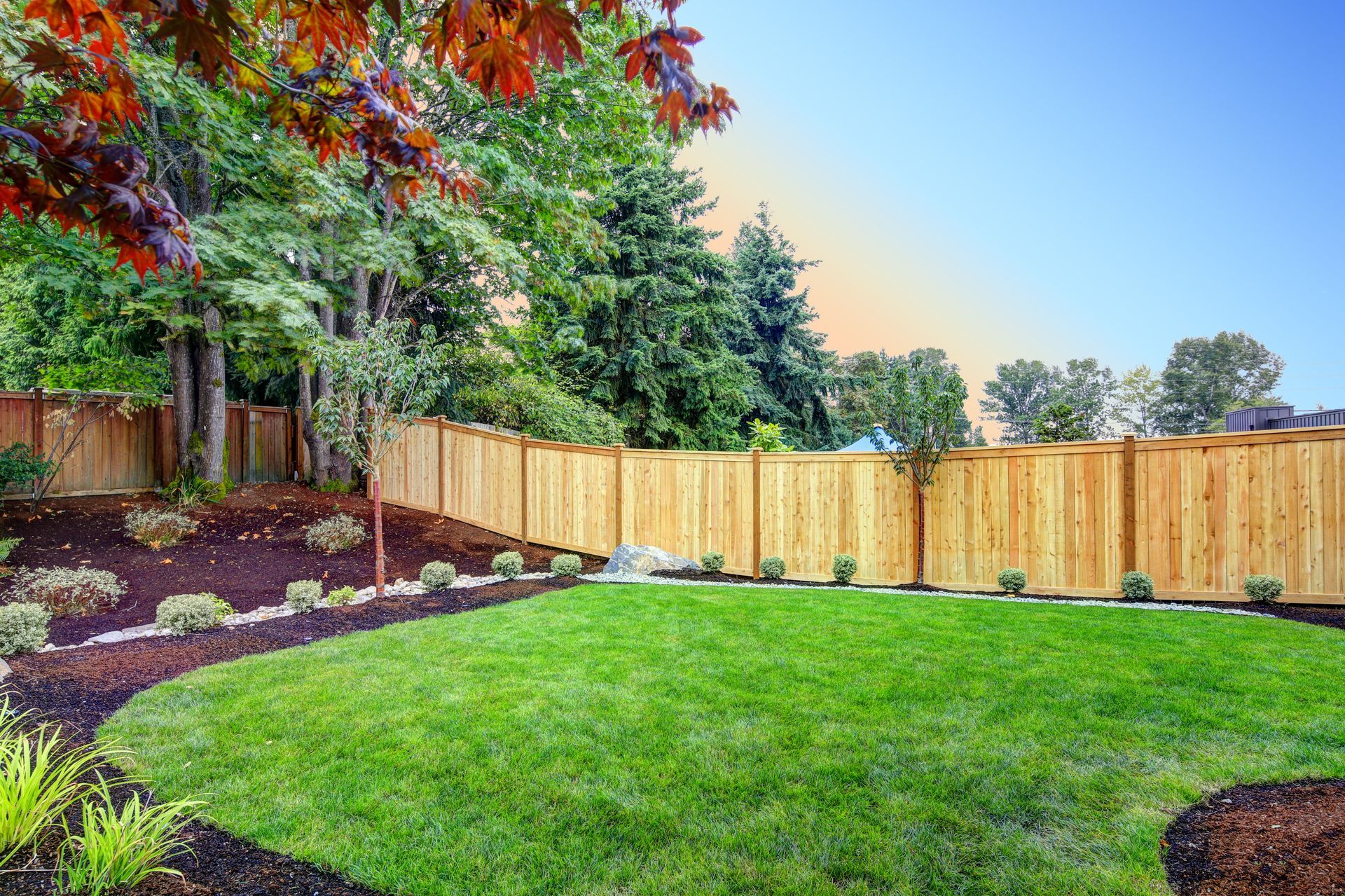
Material choice also affects the care a fence will need over time. Steel fencing offers strength and low maintenance, while wood can provide a customizable appearance and privacy. Those characteristics are useful when they support the intended enclosure and suit the setting. Asking about upkeep connects the initial design decision with the fence's continuing role on the property.
2. What Height and Top Design Are Appropriate Here?
Height is an important part of a security fence, but choosing the tallest available option is not a complete design strategy. The intended level of protection, nearby features, and applicable installation requirements all belong in the discussion. Top details should also be considered as part of the whole barrier, rather than added only because they look more defensive. A proposed height needs a clear reason that relates to the property being enclosed.
According to Homeguide, most security fences reach at least eight feet and commonly combine pointed or spired tops with a securely designed gate system. That description illustrates why height, the upper edge, and the entrance should be discussed together. A substantial fence can still leave access poorly managed if its gate does not suit the same security purpose. Asking about the relationship between those features makes the conversation more useful than focusing on height alone.
The appropriate design still depends on the individual site. Questions about height give a fence builder an opportunity to connect the available designs with the site's requirements before installation begins. Its relationship to neighboring spaces matters too, particularly where a taller barrier would change visibility around an entrance. A clear recommendation connects the proposed dimensions to the security goal while accounting for the setting in which the fence will stand.
3. How Will the Gates Control Access Without Disrupting Daily Use?
Gates deserve attention early because they determine how people and vehicles move through the finished barrier. A property may need a pedestrian entrance, a larger vehicle opening, or separate access points serving different purposes. Each opening should support normal use without undermining the reason for installing a security fence. Discussing who needs to enter and how often helps establish what the gate system must accommodate.
Manual and automated gates offer different ways to manage that access. When discussing automation with a fence builder, property owners can ask whether phone-app operation is part of the proposed gate system. The discussion should relate those features to actual routines, such as a homeowner arriving by car or a business receiving authorized visitors. Convenience is useful when it supports the property's access needs, rather than introducing features without a clear purpose.
The physical fit of the gate matters alongside the way it is operated. Its opening needs to suit the intended passage, and the gate should work smoothly within the surrounding fence installation. Questions about how the entrance will function are especially valuable when an existing driveway or walkway influences placement. The goal is a controlled entry that remains practical to use, rather than an impressive gate that creates difficulties every time someone needs access.
4. How Will the Fence Follow the Property's Layout?
The proposed fence line should be understood before the project moves into installation. Changes in ground level, existing access routes, and the relationship between enclosed and open areas can influence how a fence builder approaches the layout. A drawing or explanation of the proposed placement can make those decisions easier to discuss. Property owners should understand which spaces will be enclosed and where entrances will interrupt the barrier.
It is also useful to ask how the design will address the points where fence sections meet gates or other boundaries. Security depends on the barrier working as a connected installation, so those connections deserve the same attention as a long, uninterrupted section. An entrance that serves the wrong part of the property can make the enclosure inconvenient even if the individual fence panels are suitable. Reviewing the layout helps connect access decisions with the overall purpose of the fence.
Property boundaries require clarification as part of that planning. The intended fence line should not rely on an assumption that an existing visual marker establishes the correct installation location. Asking what boundary information is needed helps identify questions that must be resolved before placement is finalized. Clear boundary information gives the layout a reliable starting point and helps define the area the fence is intended to protect.
5. What Will the Installation Plan and Proposal Include?
A clear proposal should describe the installation being discussed, including the fencing material, proposed dimensions, and gate arrangements. Written details give the property owner a way to understand how the separate design decisions will come together. If automated gates are included, their intended operation should be explained alongside the physical entrance. The proposal should reflect the project being planned rather than leave important features open to assumption.
Permitting is another part of the installation conversation. Requirements depend on the location and proposed project, so it is useful to ask what must be confirmed and who will handle the necessary applications. The proposal should clarify whether permitting assistance is included in the planned work. That explanation also helps establish what information is needed before installation can proceed.
Installation timing and workmanship protection are additional subjects to review with the fence builder before accepting a proposal. Property size, fence type, and site conditions can affect scheduling, making a project-specific explanation more useful than a general completion promise. Questions about warranty terms can clarify what protection applies to workmanship and what applies to materials. Together, those details help property owners understand both the installation itself and the commitments associated with the finished work.
A useful security fence balances protection with the access a property needs every day. Clear answers before installation help turn that balance into a design with an understandable purpose. At Fesco Fence, we provide security fence installation and sales, along with gate and automated gate systems. Contact us to discuss fencing and entrance options for your property.