June 25, 2026
A fence does more than define property lines and enhance security. It also plays an important role in your home's overall appearance, helping create a cohesive look between the house, landscape, and surrounding environment. Choosing the right design requires careful consideration of architectural features, materials, and visual balance. Working with an experienced fence contractor can help homeowners select a style that enhances curb appeal while meeting practical needs.
Style
The first step in selecting a fence is understanding your home's style. Every home has unique design characteristics that can be complemented or diminished by the wrong fencing choice. A fence should feel like a natural extension of the property rather than a separate element that competes for attention.
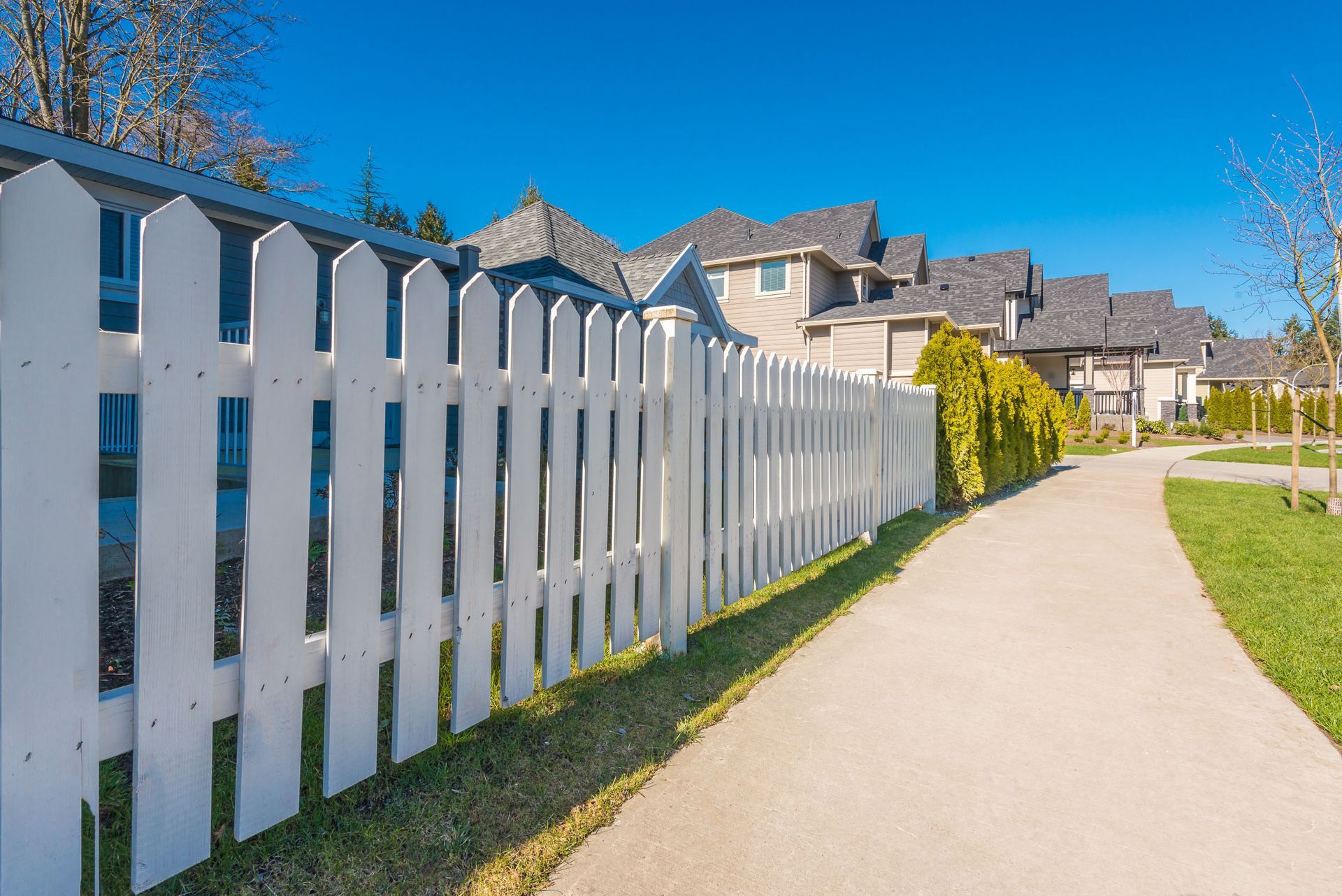
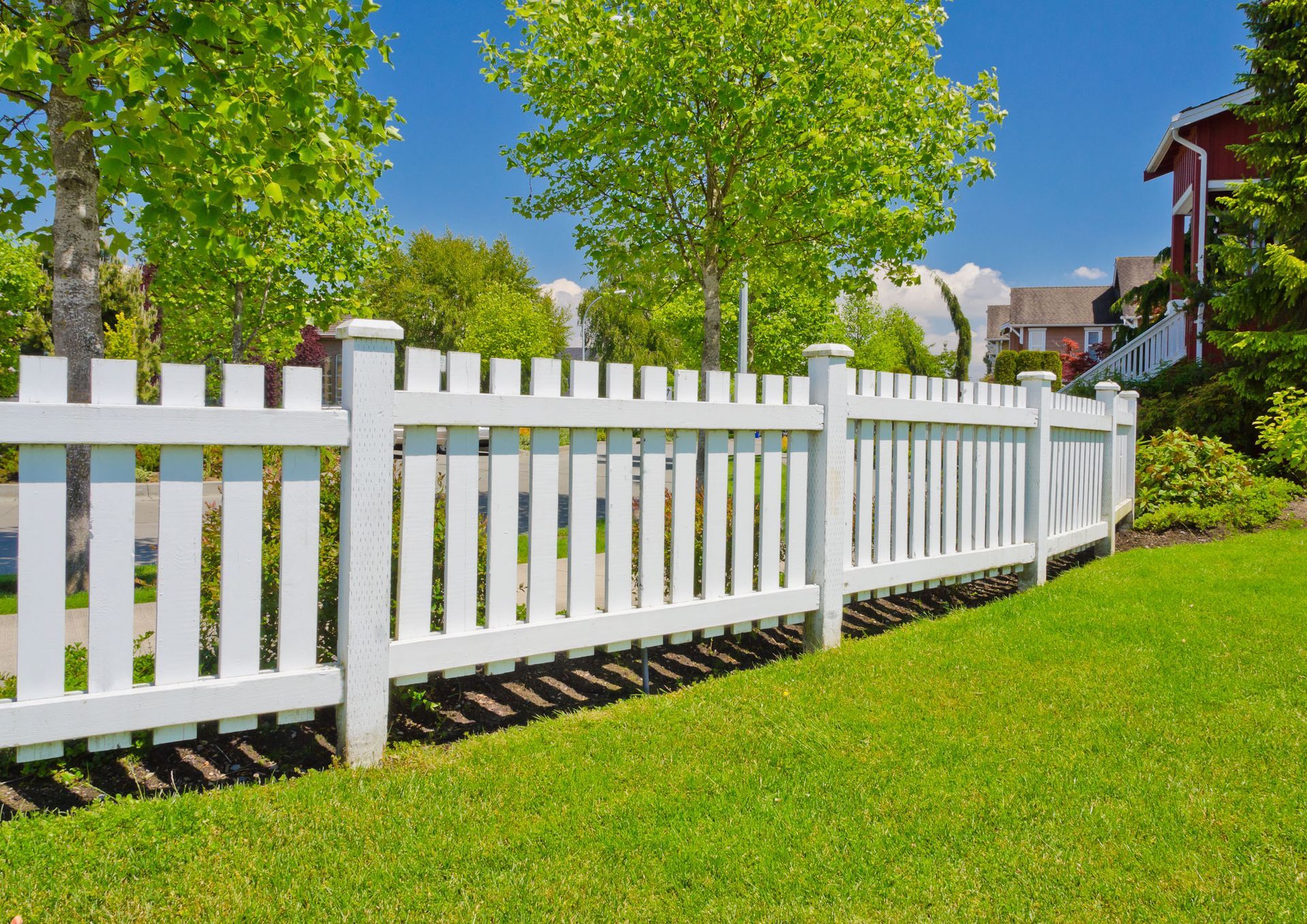
Traditional Colonial homes often pair well with classic picket fences or ornamental metal fencing. These styles reinforce the home's symmetry and timeless appeal. White-painted wood fencing, in particular, has long been associated with Colonial architecture and creates a welcoming appearance.
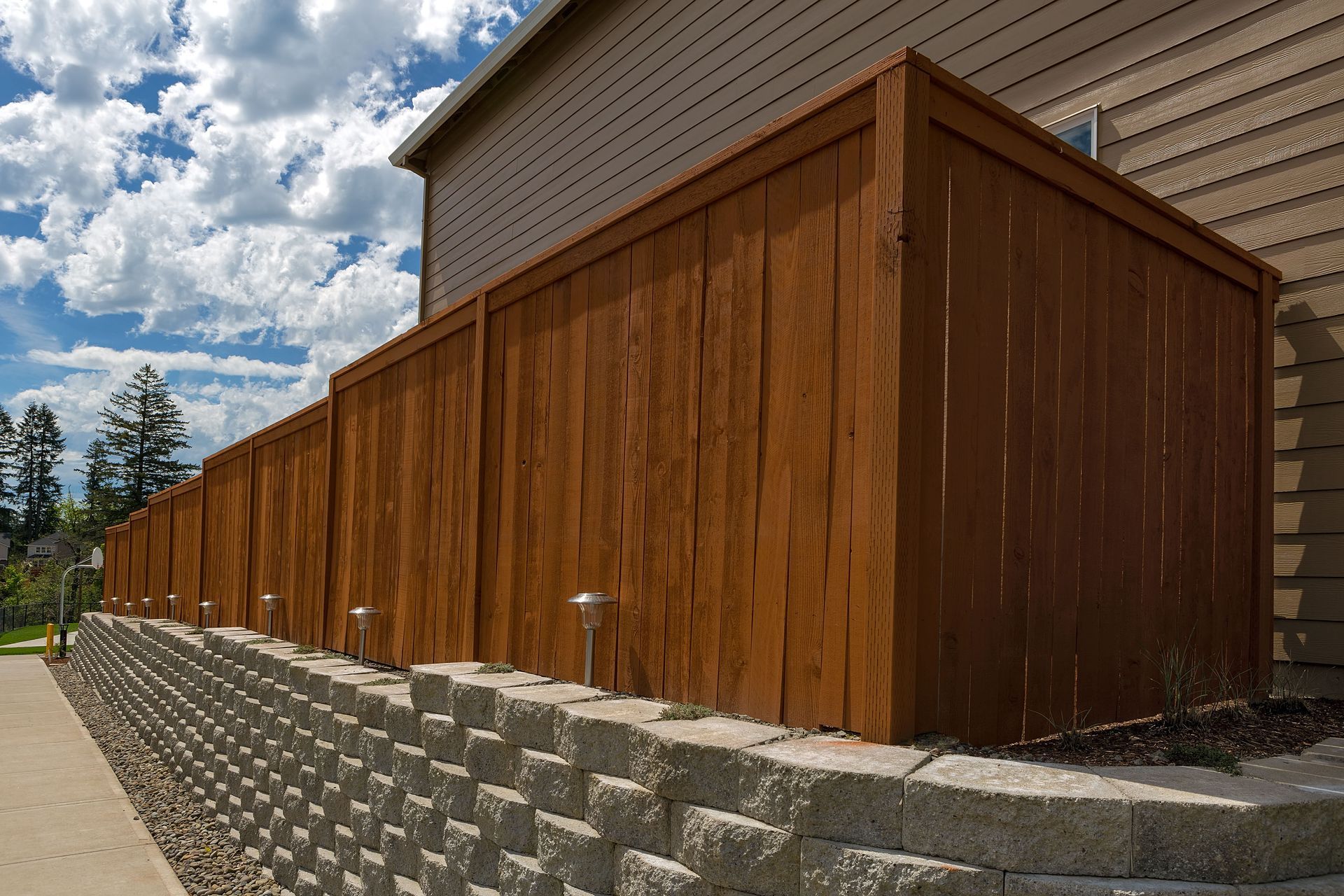
Craftsman homes typically feature natural materials, exposed woodwork, and earthy color palettes. For these properties, wood fencing with simple horizontal or vertical lines often provides the best match. A knowledgeable fence contractor can recommend wood species and finishes that blend seamlessly with the home's exterior materials.
Modern and contemporary homes generally benefit from clean, minimalist fencing designs. Horizontal slat fences, aluminum panels, and sleek metal options complement modern architecture without overwhelming the property's aesthetic. The goal is to maintain the simplicity and sophistication that define contemporary design.
Farmhouse-style homes often look best with split-rail, ranch-style, or board fencing. These options reinforce the property's rustic charm while preserving open sightlines. The result is a balanced look that feels authentic and inviting.
Materials
The material you choose significantly influences both appearance and performance. Different fencing materials communicate different design styles, making material selection just as important as the fence layout itself.
Wood remains one of the most versatile fencing materials available. It can be stained, painted, or left natural to suit a wide variety of architectural styles. Whether a homeowner prefers a traditional picket fence or a modern horizontal design, wood offers substantial flexibility.
Metal fencing has become increasingly popular for both residential and commercial properties. According to Grand View Research, steel, iron, and aluminum fencing account for more than 60% of the worldwide fencing market. This popularity stems from the material's durability, low maintenance requirements, and ability to complement numerous architectural styles. A skilled fence contractor can explain the differences between aluminum, steel, and wrought iron to help homeowners make informed decisions.
Vinyl fencing is another attractive option for many properties. It offers a clean appearance, resists weather damage, and requires minimal upkeep. Vinyl can mimic traditional wood styles while eliminating many maintenance concerns associated with natural materials.
Composite fencing combines the appearance of wood with enhanced durability. Homeowners seeking a contemporary look often appreciate composite materials because they maintain their appearance for years while resisting fading, moisture damage, and insect activity.
Proportion
Even the most attractive fence can look out of place if its scale does not match the home's proportions. Fence height, spacing, and overall visual weight should work in harmony with the structure they surround.
Large homes generally benefit from taller fencing that balances the scale of the building. A low fence surrounding a substantial property may appear insignificant and disconnected from the overall design. Conversely, excessively tall fencing around a small home can create a crowded and overwhelming appearance.
Fence spacing also contributes to visual balance. Open designs such as picket, ornamental metal, and split-rail fencing create a lighter aesthetic that works well for many traditional homes. Solid privacy fences provide greater seclusion but may feel too heavy if not carefully matched to the property's size and style.
Landscaping should also factor into fence planning. Trees, shrubs, flower beds, and walkways interact with fencing to create the overall visual experience. An experienced fence contractor can evaluate the entire property and recommend dimensions that maintain proper proportion throughout the outdoor space.
Color selection plays a role as well. Coordinating fence colors with roofing, siding, trim, or landscaping elements creates a unified appearance. The objective is not necessarily to match everything exactly but to establish visual harmony across the property.
Details
Architectural details often determine whether a fence feels perfectly integrated with a home. Small design elements can make a significant difference in creating a cohesive appearance.
Decorative post caps, lattice accents, and ornamental hardware allow homeowners to personalize their fencing while reinforcing architectural themes. For example, ornate iron details may complement Victorian architecture, while simple geometric accents may better suit contemporary homes.
Gate design deserves special attention because gates frequently serve as focal points. The style, shape, and hardware should align with both the fence and the home's architectural character. A thoughtfully designed gate can elevate the entire property's appearance.
Texture is another important consideration. Smooth metal surfaces, natural wood grain, and composite finishes each create different visual impressions. Selecting textures that complement existing exterior materials helps establish continuity throughout the property.
Professional installation is equally important. Even the most carefully selected fence can lose its appeal if it is installed improperly. A reputable fence contractor ensures that posts, panels, gates, and decorative elements are aligned correctly and function as intended. Additionally, a qualified fence contractor can help homeowners navigate local regulations, property boundaries, and permit requirements before construction begins.
Many homeowners focus primarily on privacy or security when choosing a fence, but aesthetics should receive equal consideration. A fence that complements the home's architecture can increase curb appeal and contribute to overall property value. Consulting a fence contractor during the planning process often helps avoid costly design mistakes while achieving a more attractive final result.
Neighborhood
While personal preference and architectural compatibility are important, homeowners should also consider the surrounding neighborhood when selecting a fence style. A fence that complements nearby properties can help create a more cohesive streetscape and enhance overall curb appeal. This does not mean every fence must look identical, but choosing a design that fits the area's character often produces a more attractive result.
In established neighborhoods with traditional homes, classic fencing styles such as picket fences, ornamental metal fencing, or understated privacy fences often blend naturally with the environment. These designs contribute to a sense of continuity while still allowing homeowners to express their individual tastes. Matching the general aesthetic of neighboring properties can also help preserve property values throughout the community.
Newer developments may have homeowner association guidelines that influence fencing choices. These regulations often specify approved materials, heights, colors, or design features to maintain a consistent appearance throughout the neighborhood. Reviewing these requirements before beginning a project can prevent costly modifications or delays after installation.
Environmental conditions should also be considered alongside neighborhood aesthetics. Areas that experience strong winds, heavy snowfall, or high humidity may require specific materials or construction methods. By balancing architectural style, community expectations, and local climate considerations, homeowners can choose a fence that looks beautiful and performs reliably for years to come.
Choosing a fence style that complements your home's architecture involves balancing design, materials, proportions, and decorative details. When all these elements work together, the fence becomes an extension of the home rather than a separate feature. Partnering with an experienced
fence contractor can help ensure the finished project enhances both the beauty and functionality of your property.
At Fesco Fence, we take pride in helping homeowners select fencing solutions that complement their property's unique architectural style. We work closely with every client to recommend materials, designs, and installation options that deliver lasting value and curb appeal. Contact us today to learn how we can help create the perfect fence for your home.