January 15, 2026
Choosing the right fencing material for your property is more than just a matter of aesthetics. Fencing serves multiple purposes, from enhancing security and privacy to defining boundaries and adding visual appeal to your landscape. With so many options available, it can be overwhelming to decide which material best suits your needs. Among the most popular choices are wood, vinyl, and metal fences, each offering distinct benefits and drawbacks. In this article, we'll compare these three materials to help homeowners make informed decisions about fence installation.
Wood Fencing: Timeless Charm and Versatility
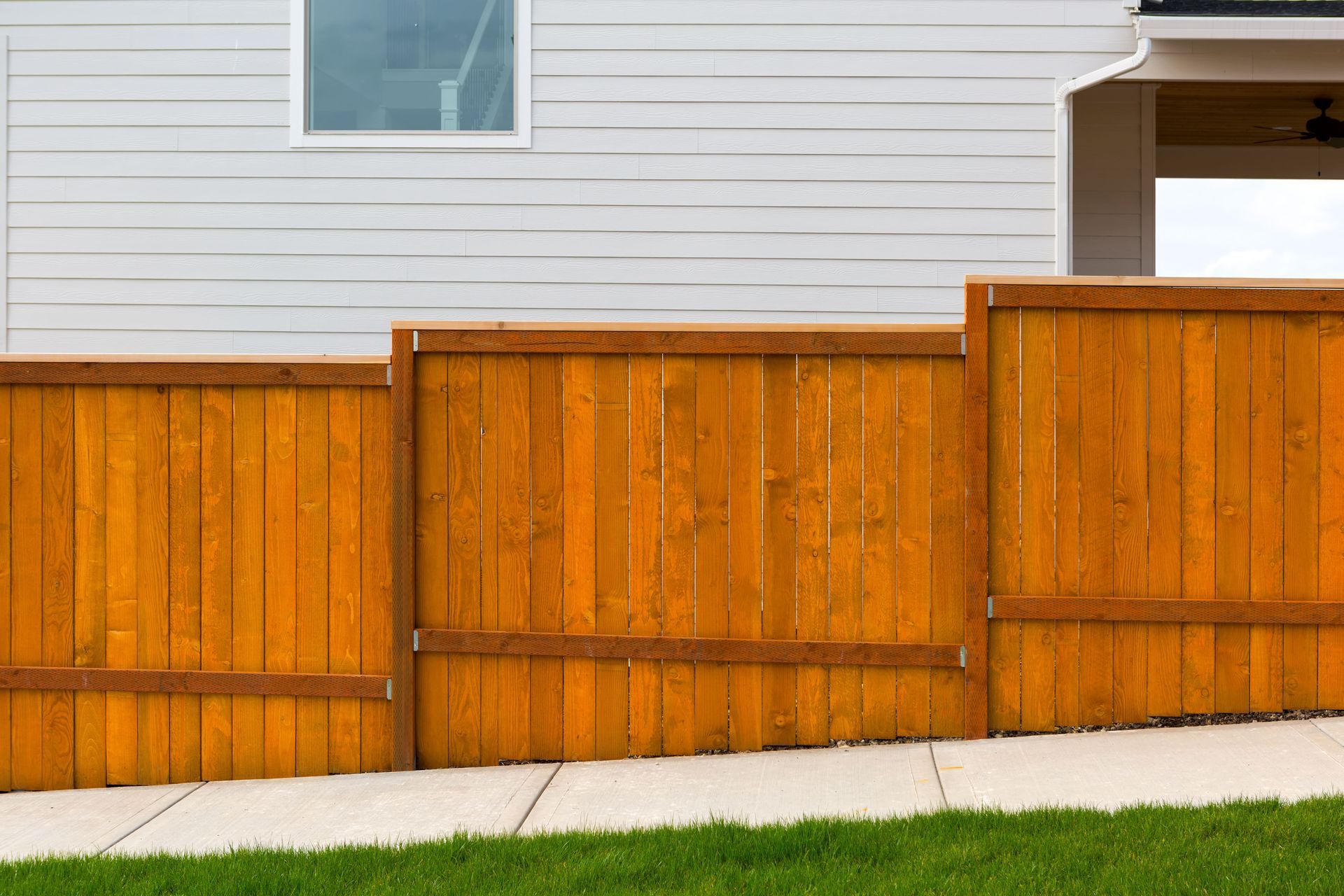
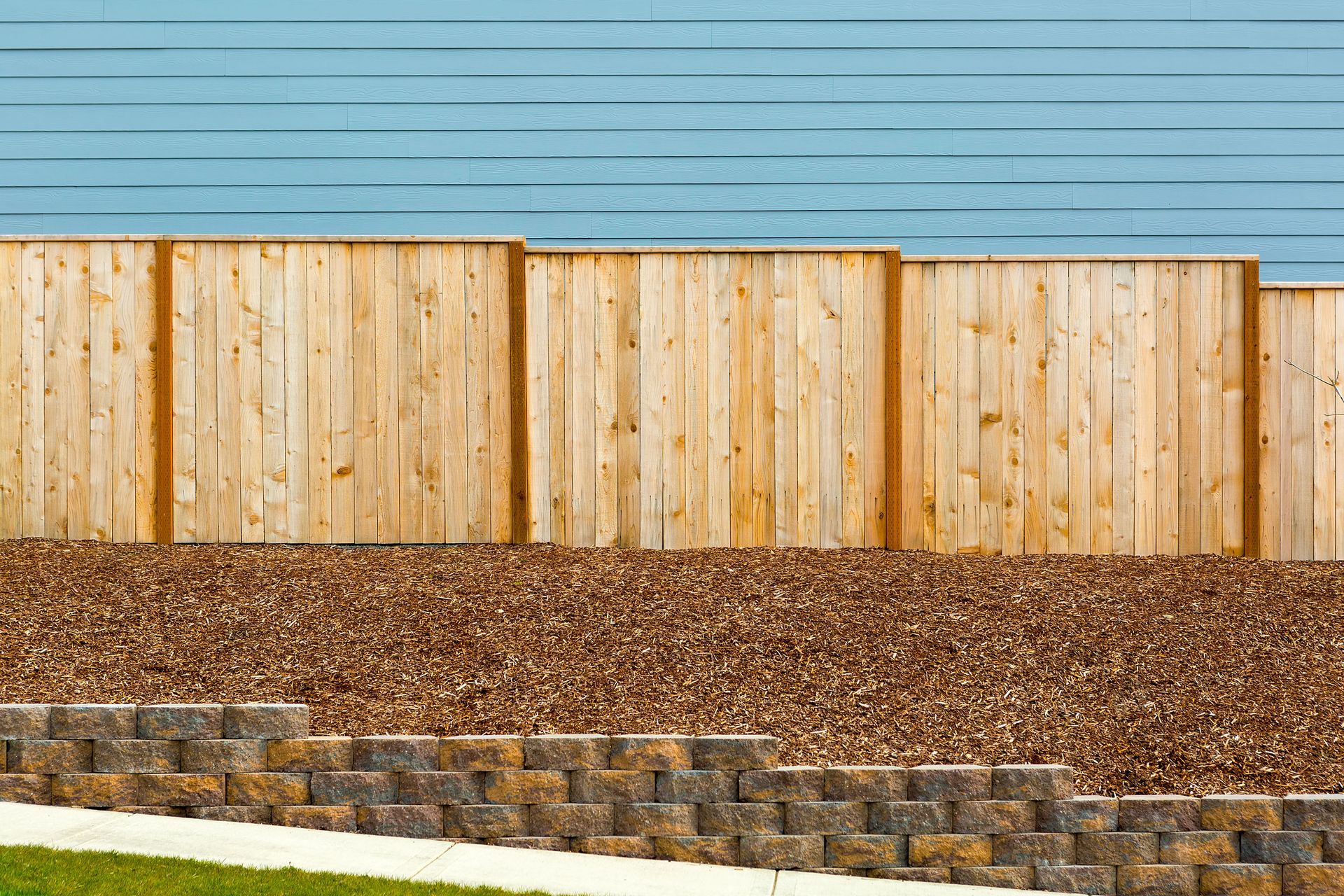
Wood has long been a favorite choice for residential fencing. Its natural beauty, versatility, and classic appeal make it a go-to option for many homeowners. One of the main advantages of wood is its ability to blend seamlessly with various architectural styles, from rustic cottages to modern suburban homes. Wood provides a warm, natural look that enhances the visual appeal of any property. It can be stained or painted in various colors to match existing outdoor elements, making it highly customizable. Homeowners often appreciate the organic, timeless charm that wood brings to a yard.
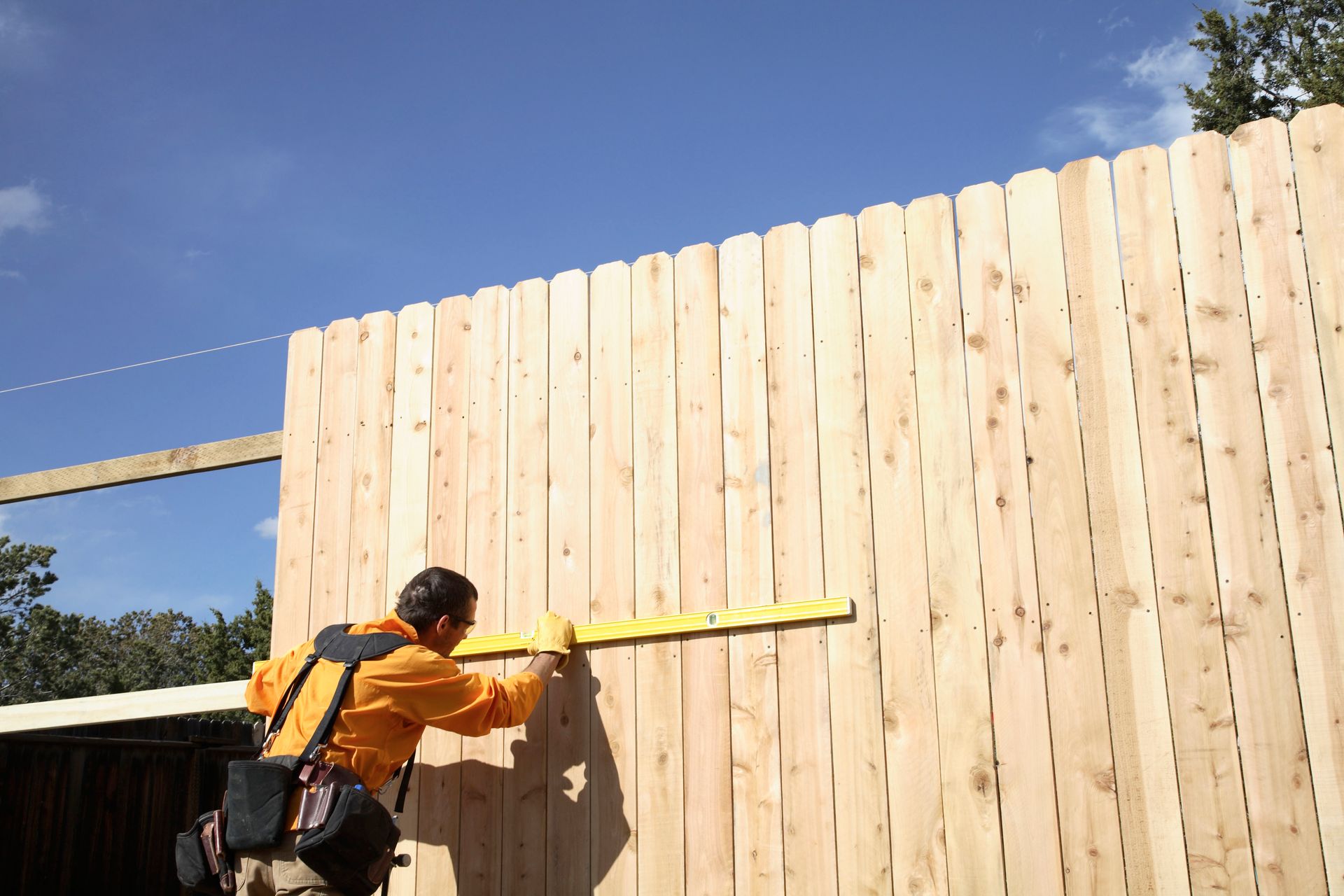
Wood fencing can be crafted in a wide range of styles, including picket fences, privacy fences, and lattice panels. This adaptability makes it suitable for different functional needs, whether you want to enclose a garden or provide full privacy around your backyard. Ease of installation is also a plus. Wood panels are relatively straightforward to install, and many homeowners opt for DIY projects. A professional fence installation can further ensure the panels are aligned and sturdy. Additionally, repairs are often simpler and less expensive than with other materials. If a section of a wood fence becomes damaged, replacing a single panel is usually enough to restore its integrity.
Despite its many benefits, wood fencing does have some disadvantages. Wood fences require regular maintenance to prevent rot, warping, and insect damage. Periodic staining or painting is essential to prolong their lifespan and maintain their appearance. Depending on the wood type and climate, wood fences may be susceptible to weathering. Softwoods like pine or cedar may deteriorate faster if not properly treated, whereas hardwoods such as redwood are more resilient but also more expensive. While initial fence installation may be affordable, ongoing maintenance costs can add up. Homeowners must budget for annual staining or sealing to keep the fence looking fresh and functional.
Vinyl Fencing: Low Maintenance and Modern Appeal
Vinyl fencing has gained popularity in recent years due to its low maintenance requirements and contemporary appearance. Made from polyvinyl chloride (PVC), vinyl fences are resistant to weather, rot, and insect damage. They offer an attractive alternative to traditional wood fencing without the labor-intensive upkeep. One of the most significant benefits of vinyl fencing is its minimal upkeep. Unlike wood, vinyl does not require staining or painting. Cleaning typically involves a simple wash with soap and water, making it ideal for busy homeowners or those seeking a hassle-free option.
Vinyl is highly durable and resistant to common issues such as rotting, warping, and termite damage. This material can withstand harsh weather conditions, including heavy rain, wind, and snow, without losing its structural integrity. A properly executed fence installation ensures the panels remain secure and stable for decades. Vinyl fencing comes in a wide array of designs and colors, mimicking the appearance of wood or offering sleek, modern lines. From privacy panels to picket-style fences, vinyl can cater to various aesthetic preferences while maintaining a polished look for years.
While vinyl fencing offers many advantages, there are some limitations to consider: Vinyl fencing can be more expensive upfront compared to traditional wood fences. However, this cost is often offset by lower maintenance expenses over time. If a vinyl panel becomes damaged, replacing it can be more complicated than swapping a wooden panel. Matching colors may also be challenging, especially if the fence has been exposed to sunlight for an extended period, which can slightly fade its color. In extremely cold climates, vinyl can become brittle and may crack under impact. This is less of a concern in milder regions, but it's worth considering depending on your location.
Metal Fencing: Strength, Security, and Longevity
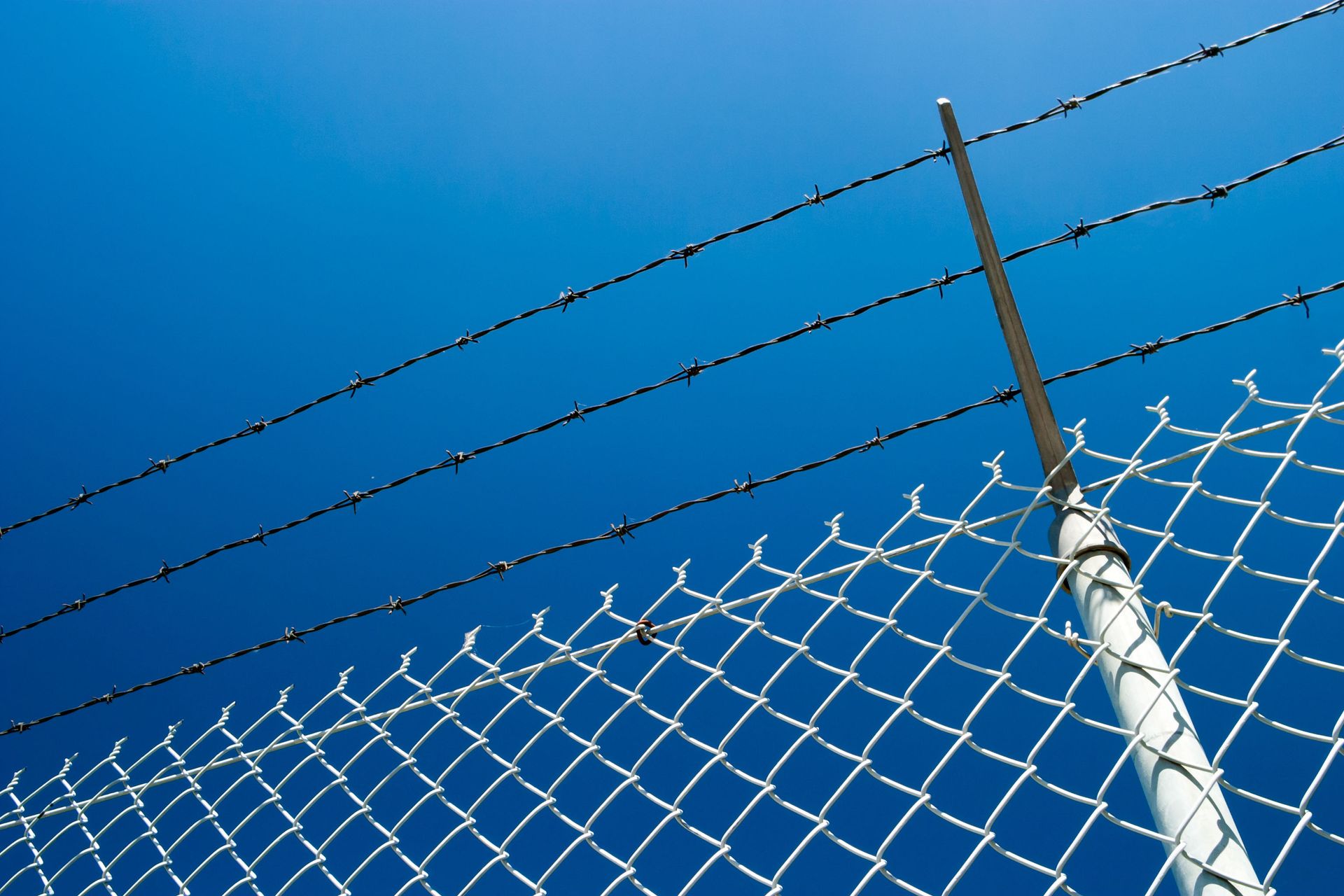
Metal fencing, including wrought iron, aluminum, and steel, is a popular choice for homeowners seeking strength and security. Metal fences offer a modern, industrial look while providing long-term durability. Metal fences are among the most durable options available. Wrought iron and steel fences are resistant to wear and tear, making them ideal for properties that require high security. They can last decades with proper care, often outlasting both wood and vinyl. Professional fence installation ensures these heavy materials are properly anchored.
The strength of metal fences makes them an excellent deterrent for intruders. Wrought iron fences, in particular, provide a sturdy barrier that is difficult to breach, increasing the safety of your property. Aluminum fencing, unlike iron, is resistant to rust and corrosion, making it a low-maintenance option for areas with high humidity or frequent rain. Painting or powder-coating can further enhance its longevity and appearance.
Metal fencing comes with a few drawbacks that homeowners should consider. Metal fences, particularly wrought iron, can be expensive to purchase and install. The initial investment is higher than wood or vinyl, though the long-term durability may justify the expense. Traditional metal fences, especially ornamental wrought iron, do not provide as much privacy as wood or vinyl. To enhance privacy, homeowners may need to combine metal fencing with shrubs, hedges, or privacy panels. While aluminum is rust-resistant, steel and iron fences require protective coatings to prevent rust. Without proper maintenance, rust can compromise the structural integrity of the fence over time.
Weighing Options: Costs and Longevity
When choosing a fencing material, cost and longevity are critical factors. Wood fencing generally has a lower initial cost but requires ongoing maintenance, which can increase total expenses over time. Vinyl fencing has a higher upfront cost but offers minimal maintenance, potentially reducing long-term costs. Metal fencing, particularly wrought iron, is the most expensive option initially but offers unmatched durability and security.
Proper fence installation is critical to ensure your investment lasts as long as possible, regardless of material choice. In terms of lifespan, vinyl and metal fences typically last longer than wood. Vinyl can last 20 to 30 years with minimal maintenance, while metal fences can last even longer, especially when protected from rust and corrosion. Wood fences, depending on the type and maintenance level, may last 10 to 20 years before needing replacement or significant repairs.
Fencing materials are not only chosen for their functional and aesthetic qualities but also reflect broader market trends. According to Grand View Research, by application, the residential segment is expected to grow at the fastest compound annual growth rate (CAGR) of 5.7% over the forecast period. This indicates a strong and growing demand for residential fencing solutions.
Purchasing Factors: Purpose, Climate, Budget, and Aesthetics
Selecting the right fencing material depends on a combination of personal preferences, property requirements, and budget. There are many essential factors to weigh. Firstly, determine whether your primary goal is privacy, security, aesthetics, or a combination of these. Metal fences excel at security, wood is ideal for aesthetics and versatility, and vinyl strikes a balance between appearance and low maintenance.
You should also consider local weather conditions, as they can significantly impact fence durability. Wood is prone to rot in humid or wet climates, vinyl can become brittle in extreme cold, and metal may require protection against rust in coastal or humid regions. Relatedly, consider how much time and money you are willing to invest in upkeep. Wood requires the most maintenance, vinyl the least, and metal falls somewhere in between depending on the type.
Factor in both initial costs and long-term expenses. Vinyl and metal fences have higher upfront costs but often lower maintenance expenses, whereas wood fences may be cheaper initially but require ongoing care. Investing in a quality fence installation can save money on repairs later. Weigh these budget considerations with your ideal design. Your fence should complement the style of your home and landscaping. Wood offers a natural, timeless look, vinyl offers a modern and uniform appearance, and metal provides an industrial or classic ornamental feel. If you want expert help with choosing the right fence for your home, reach out to Fesco Fence today.